
What is High Altitude Illness?
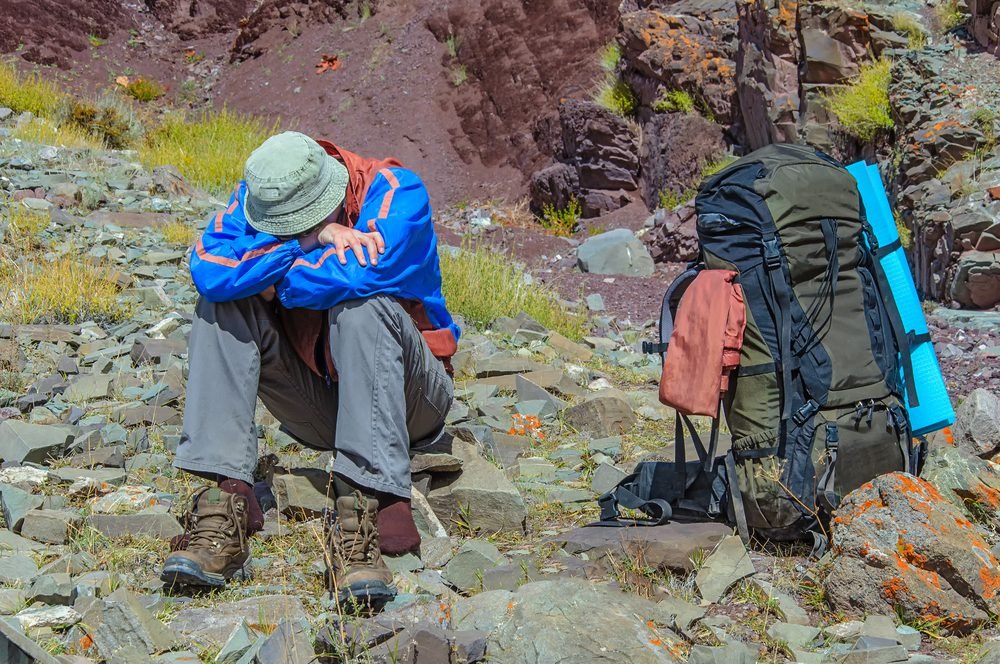
Also known as Mountain Sickness, altitude illness can occur for travelers not accustomed to elevations above 8,000 – 10,000 feet. Symptoms may include headache, nausea, vomiting, and fatigue. In children too young to speak, they might appear extra fussy and irritable if experiencing altitude sickness.
What Common International Destinations Put Me at Risk for Altitude Sickness?
In South America, visiting Cusco and Machu Picchu in Peru places you at altitudes between 8,000 – 11,000 feet. Landing in La Paz, Bolivia, means arriving at the world’s highest capital, nearly 12,000 feet above sea level. In Asia, mountain trekking in Bhutan, India, Nepal, and Pakistan can reach elevations as high as Mount Everest (29,000 feet!). Climbing Mount Kilimanjaro in Tanzania is a popular goal for many travelers. At 19,300 feet, it is Africa’s highest point.
How Can I Prevent Altitude Illness?
The best prevention is to acclimatize, which means gradually adjusting to high elevation. Ascend slowly when possible. Avoid alcohol, as it may worsen the effects of high altitude, and refrain from strenuous exercise for the first two days to give your body time to adjust. Remember, mountain sickness can affect anyone, regardless of fitness or age.
A prescription medication called acetazolamide can help those who need to make a rapid ascent. For those seeking an over-the-counter option, research indicates that Ibuprofen 600 mg taken three times daily may also alleviate altitude sickness.
Tips for Adventure and Remote Travel Plans
Travel health insurance can be a wise investment for travelers with remote or adventurous plans. Many travel insurance plans include evacuation expenses and trip cancellation, alongside medical coverage in case of emergencies. Traditional health insurance plans often do not cover expenses and activities outside the United States, so it’s crucial to check with your health plan for coverage details. The CDC offers a helpful article on travel health insurance considerations.
Injury, illness, or animal bites in remote areas can lead to serious health complications. Preventive measures, such as early vaccination and having medication for common illnesses, are essential. Particularly, the risk of rabies exposure in remote areas due to bites from dogs or other mammals necessitates prompt action. Pre-exposure rabies vaccination offers valuable peace of mind. Learn more about the human rabies vaccine and those at highest risk.