
What is Chikungunya?
Chikungunya is a viral illness transmitted through mosquito bites, with its name deriving from the Kimakonde language in Tanzania, meaning “to become contorted.” Early signs of chikungunya include high fever, rash, and debilitating joint pain. Up to 50% of those infected may suffer from lingering fatigue and joint pain, particularly affecting the hands and feet. Tragically, some individuals may endure symptoms that last for months or even years, significantly affecting their daily lives and overall well-being.
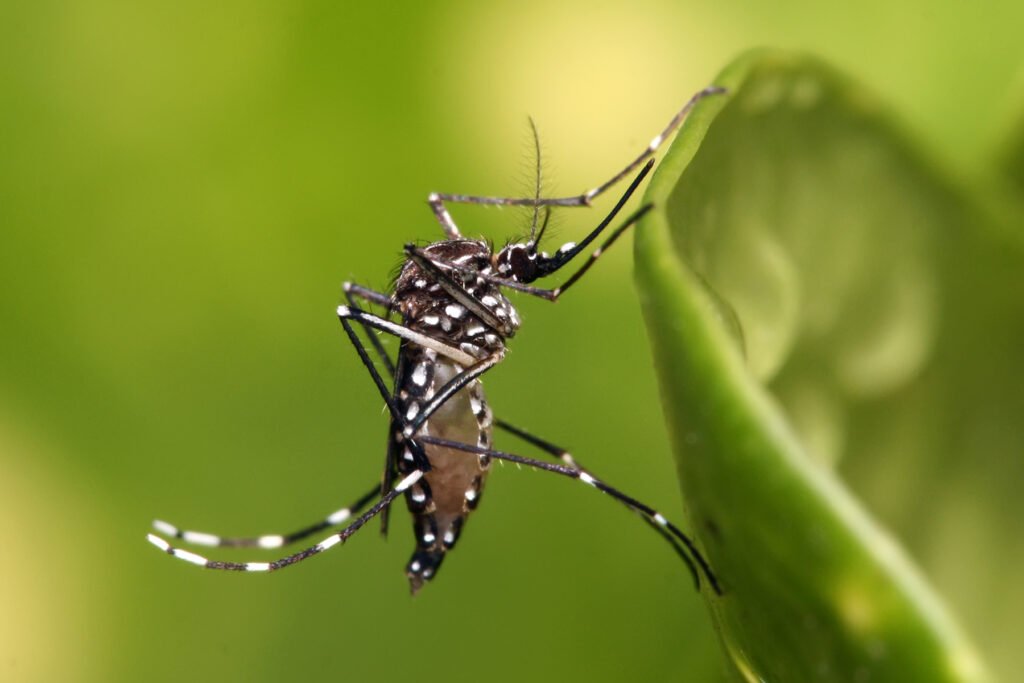
Similar to dengue fever and zika, chikungunya is primarily spread by the Aedes mosquito species, which has adapted to urban environments and tends to bite during daylight hours.
During outbreaks, chikungunya spreads swiftly within communities, with as many as 75% of residents potentially becoming infected. While anyone can contract chikungunya, infections are typically more severe in individuals with pre-existing health conditions, pregnant women, and those aged 65 and older. A blood sample must be sent to a laboratory for definitive diagnosis, and due to limited testing resources worldwide, many cases likely remain unreported.
Where is Chikungunya Found?
Chikungunya is a concern in many tropical and subtropical regions, attributed to the presence of the Aedes mosquito. Due to its widespread geographic reach, chikungunya infections have been documented across Africa, the Americas, Asia, Europe, and various islands in the Indian and Pacific Oceans. Most outbreaks coincide with the rainy season, with case numbers typically declining during dry periods.
How Do I Protect Myself Against Infection?
With no specific treatment available for chikungunya, prevention is paramount. The most effective strategies include vaccination and avoiding mosquito bites.
Individuals aged 12 years and older are advised to receive the chikungunya vaccine prior to international travel. Those traveling to regions experiencing active chikungunya outbreaks or planning extended stays in at-risk countries for over six months are prioritized for vaccination. Additionally, individuals aged 65 and older, particularly those with certain underlying health issues, should strongly consider vaccination if they intend to remain in areas with a history of outbreaks for more than two weeks.
Vimkunya Chikungunya Vaccine
The chikungunya vaccine, branded as Vimkunya, received FDA approval for individuals aged 12 years and older in the United States in February 2025. Presently, there are no other vaccines available to prevent chikungunya in the U.S. The vaccine is administered as a single dose into the deltoid muscle of the arm.
What Else Should I Know About the Vimkunya Vaccine?
As with all vaccines, mild side effects may occur following administration, including arm pain, headache, and muscle soreness.
Where Can I Find a Chikungunya Vaccine Near Me?
Wildflower Travel & Wellness Clinic offers the chikungunya vaccine for our community and travelers in Southern Arizona. Schedule your appointment in Tucson today, or visit our website for more information.
Other Travel Vaccines to Consider
If you plan to visit countries or regions where chikungunya is prevalent, it’s advisable to consider other travel vaccines and malaria prophylaxis. Immunizations against other mosquito-borne diseases, such as Yellow Fever and Japanese Encephalitis, are also recommended. Additionally, ensuring food and water safety is essential for travelers, with vaccines for Hepatitis A and Typhoid Fever providing crucial protection.